PID Temperature Controller Manufacturer: 4 Sourcing Models Compared
PID Temperature Controller Manufacturer: 4 Sourcing Models Compared
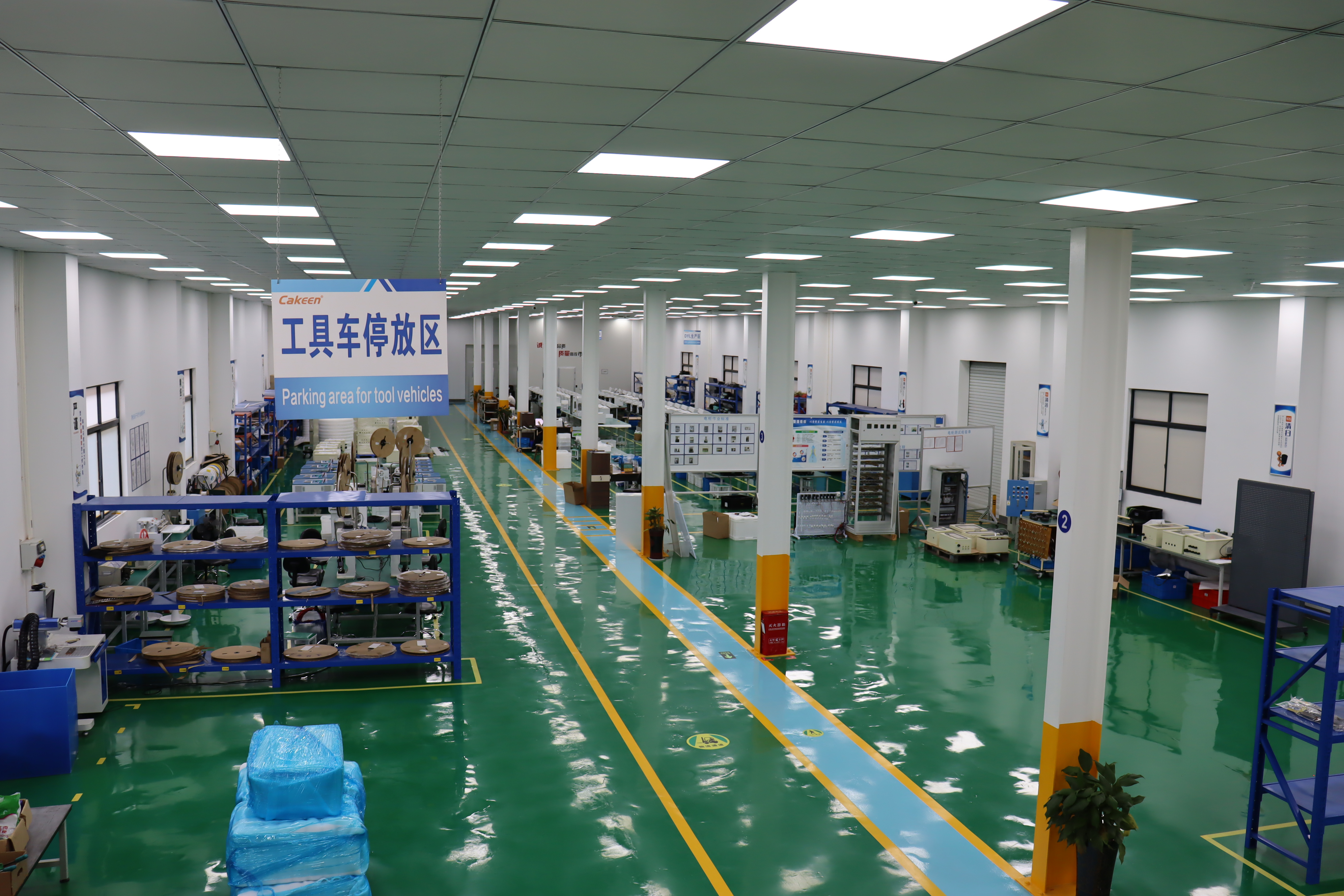
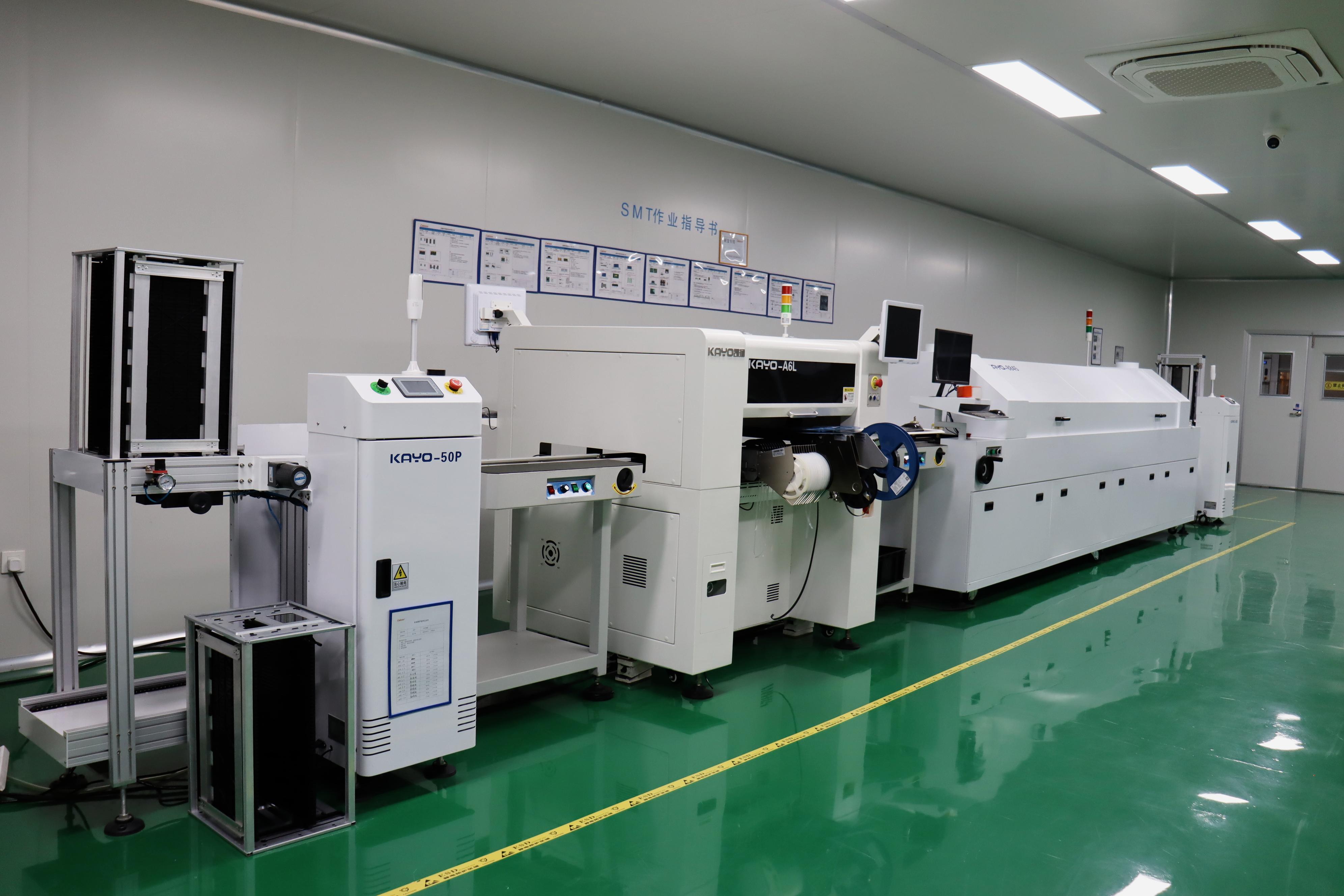
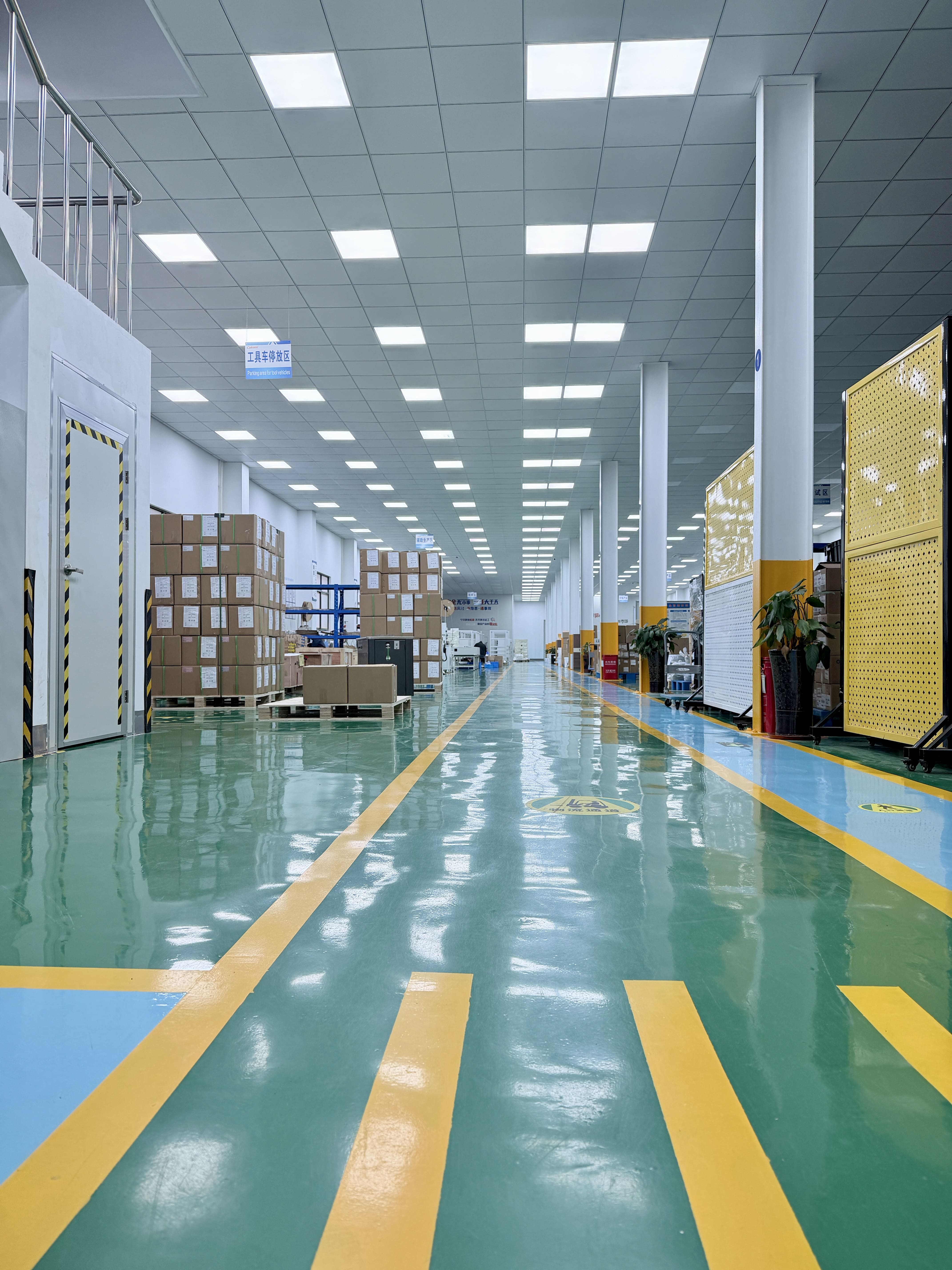
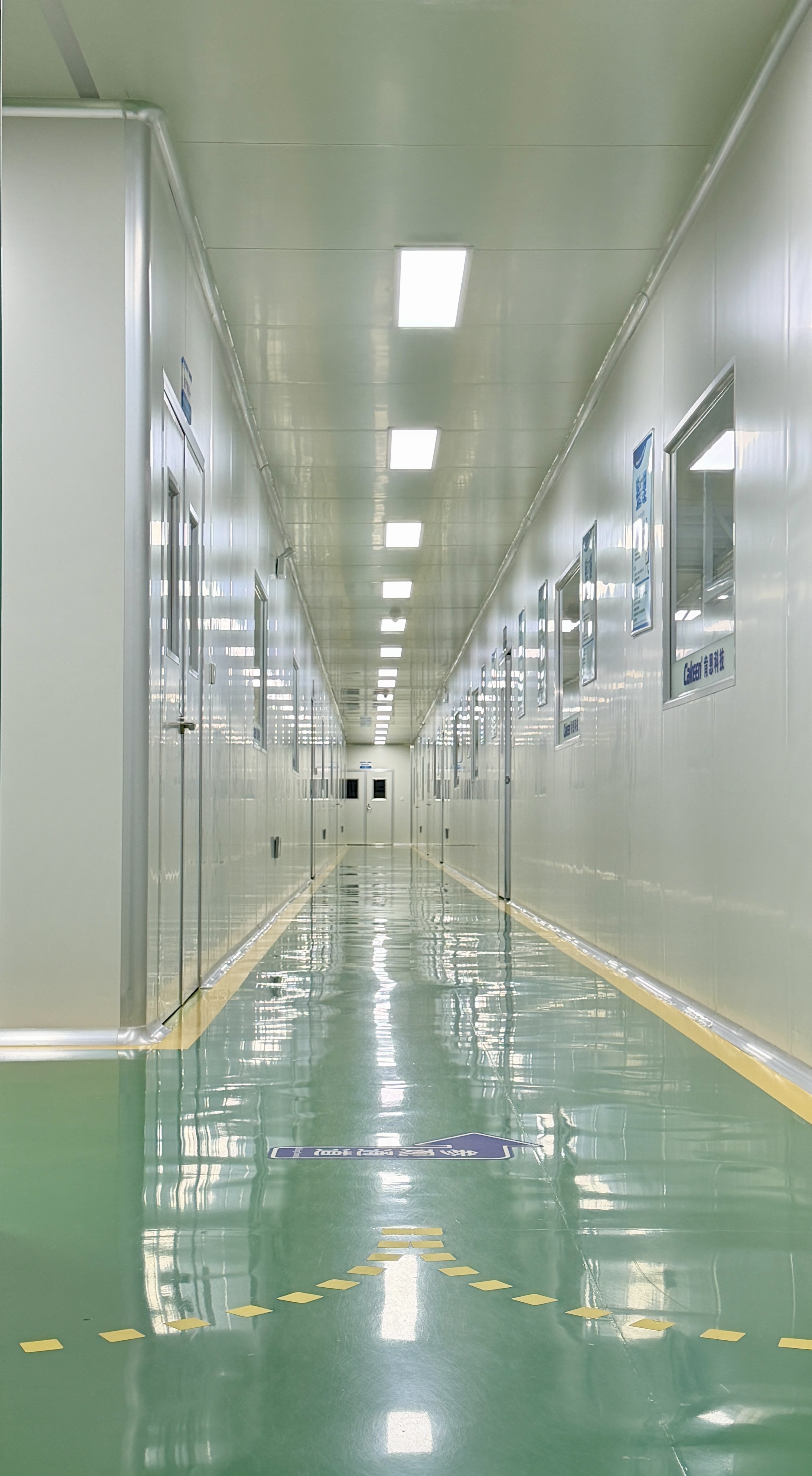
Cakeen — the brand of Wuxi Keen Technology Co., Ltd. — is a PID temperature controller manufacturer headquartered in Huishan District, Wuxi, Jiangsu Province, China. Established in 2011, the company develops semiconductor industrial control electronics, electrical cabinet systems, and AI embedded systems. It operates a 2,019 m² factory with 50 employees, including a 20-engineer R&D team, and maintains an annual output of 500,000 units; approximately 40% of production is exported to markets including ES, SEA, EU, and USA. This guide compares four sourcing models that shape PID temperature controller procurement decisions in 2026.
Why the decision is harder than picking a price
At the decision stage, procurement teams rarely compare one PID controller against another at the same specification level. They compare four underlying choices: control technology, communication architecture, supplier type, and engineering model. Each choice shifts precision, certification risk, deployment time, and total cost of ownership in different directions. Buyers evaluating a PID temperature controller manufacturer therefore need a comparison framework that covers these four dimensions before requesting a quote.
Industry context: precision thermal control is the baseline
The global PID controller market was valued at USD 1.60 billion in 2024 and is projected to reach USD 2.24 billion by 2032 (SNS Insider). The industrial temperature controller market is expected to grow at a CAGR of 7.1% from 2024 to 2030, driven by Industry 4.0 adoption (Strategic Market Research). Asia-Pacific dominated the temperature controller market in 2023 with a 38.2% revenue share, with China as a key manufacturing hub (Dataintelo).
The semiconductor segment explains much of the demand for precision. The global semiconductor temperature control equipment market was valued at USD 663 million in 2024. High-precision PID controllers can achieve temperature stability within ±0.1°C, a critical requirement for semiconductor lithography and etching processes (Grand View Research).
For positioning: leading international PID controller and temperature controller brands include Honeywell, Omron, Siemens, Eurotherm (Schneider Electric), and ABB (Mordor Intelligence). This article does not rank brands. It compares sourcing models so buyers can evaluate any supplier — from global brands to Chinese manufacturers such as Cakeen — against objective, verifiable criteria.
Four comparisons that decide the outcome
1. Control technology: PID auto-tuning vs. ON/OFF control
Cakeen's PID temperature controllers (models KE-H10, H6625, ASH, KE-48, KE-2104) offer PID auto-tuning with ±0.1°C accuracy, a built-in SSR output, and integrated RS485/Modbus RTU communication. Generic ON/OFF controllers, by contrast, typically fluctuate by ±2–5°C.
- Performance gap: temperature stability improved 20–50× (±0.1°C vs. ±2–5°C); panel space saved roughly 30% because the SSR is built in; wiring reduced roughly 40% thanks to integrated communication.
- Cost difference: slightly higher unit cost, but total system cost reduced 15–25% because external SSR modules and simplified wiring are eliminated.
- Maintenance: self-tuning PID reduces commissioning time by 50%; Modbus RTU enables remote diagnostics and batch parameter setting.
- Efficiency: PID control eliminates temperature overshoot, reducing energy waste by 10–20% compared with ON/OFF cycling.
Decision criteria: choose PID when the process requires temperature stability within ±0.1°C, networked monitoring, or energy efficiency — typical for semiconductor equipment, laboratory instruments, and process heating. ON/OFF control remains acceptable when the process tolerates wide temperature swings and no data logging is needed.
2. Communication architecture: dedicated CMS gateway vs. PLC-based data acquisition
Cakeen's K42CE-D is a dedicated CMS gateway with 6× RS485 and Ethernet in one compact DIN rail module. It is purpose-built for multi-device parameter setting and data forwarding without PLC programming. Compared with a traditional PLC-based setup such as a Siemens S7-1200 plus communication modules, the K42CE-D reduces hardware cost by 40–60%, deployment time by 50%, and communication latency by roughly 60% for RS485 device networks.
- Cost: no PLC programming license required; expandable with K15DT-D I/O modules at low incremental cost.
- Maintenance: plug-and-play configuration instead of PLC programming; firmware upgradeable; fewer components mean fewer failure points.
- Efficiency: lower power consumption (12–24VDC) and a compact form factor that reduces cabinet cooling requirements.
Decision criteria: a gateway model fits multi-device industrial data acquisition, factory automation retrofits, and RS485 device networking projects where PLC programming would add cost and lead time.
3. Supplier type: certified manufacturer vs. low-cost electrical cabinet assembler
Cakeen's electrical cabinet systems use genuine branded components from ABB, Siemens, Schneider, Mitsubishi, and Omron, with professional electrical design per IEC/UL508A standards and international certifications (CE/IEC/UL/JIS). Compared with domestic low-cost electrical cabinet assemblers, the difference appears in measurable outcomes:
- Performance: first-pass audit rate above 95% for international certifications; field failure rate below 0.5%, versus an industry average of 2–5%; design-to-delivery cycle of 2–4 weeks.
- Cost: 10–20% higher than uncertified alternatives, but rework costs and certification failure risks are eliminated; total cost of ownership is lower over equipment lifetime.
- Maintenance: standardized design documentation (DWG/PDF/BOM) supports spare parts management; branded components have global service networks; bilingual documentation reduces cross-border support friction.
- Efficiency: properly rated components and thermal design support over 98% uptime; IP54/IP65 enclosure protection extends service life in harsh environments.
Decision criteria: certified suppliers fit global export industrial equipment, semiconductor manufacturing lines, high-reliability factory automation, and compliance-critical projects where CE/UL/JIS certificates are contract requirements.
4. Engineering model: outsourced design service vs. in-house electrical design
Cakeen also offers electrical cabinet design and software development as a service for semiconductor equipment R&D projects. Compared with building a new in-house team, the service provides specialized semiconductor equipment design experience, IEC/UL508A compliance from day one, multi-PLC platform expertise, and bilingual documentation for global deployment.
- Performance: design cycle shortened 30–50% versus a new in-house team; first-pass certification rate above 90%; a complete documentation package reduces end-user acceptance time by 40%.
- Cost: outsourcing eliminates the overhead of maintaining a specialized design team; pay-per-project model reduces fixed cost; no EDA/CAD license investment needed.
- Maintenance: an experienced team reduces design iterations; standardized templates and proven designs lower revision risk; post-delivery technical support is included.
- Efficiency: optimized electrical design reduces component count and power loss; right-sized components avoid over-engineering waste.
Decision criteria: the outsourced model suits semiconductor equipment R&D projects, global factory deployment, shortened time-to-market requirements, and compliance-critical industrial automation systems.
A six-step comparison framework for decision-makers
- Define the control requirement. Write down the required temperature stability (±0.1°C or wider), the number of channels, and the sensor type before contacting suppliers.
- Map the communication architecture. Decide whether the system needs a centralized CMS, remote diagnostics, Modbus RTU/TCP, or standalone control. Multi-device sites typically favor a gateway with 6× RS485 and Ethernet such as the K42CE-D.
- Define the compliance scope. List the certifications each market requires — CE for the EU, UL 508A for North American industrial control panels, SEMI S2 for semiconductor equipment. Ask the supplier to map each product to a specific certificate.
- Calculate total cost of ownership, not unit price. Add integration, commissioning, certification risk, and maintenance. A certified cabinet at 10–20% higher price can still be the lower-cost choice when it avoids rework and audit failure.
- Validate quality control. Ask about test coverage, incoming inspection, component traceability, and documentation. Suppliers who test 100% of units reduce field failure risk.
- Confirm after-sales support. Check documentation language, remote diagnostic capability, spare parts availability, and warranty terms before signing.
Where each sourcing model creates the most value
Semiconductor equipment R&D projects. When an equipment maker needs a compliant electrical system in weeks, the outsourced design service shortens the design cycle by 30–50% and achieves first-pass certification rates above 90%.
Global factory deployment. When equipment ships to multiple regions, the certified manufacturer model provides CE/IEC/UL/JIS compliance, genuine branded components, and bilingual documentation that reduces end-user acceptance time by 40%.
Multi-device industrial data acquisition. When a plant retrofits temperature monitoring across many machines without a PLC engineering team, the K42CE-D gateway model cuts hardware cost by 40–60% and deployment time by half.
Precision process heating. When a process must hold temperature without overshoot, replacing ON/OFF control with a PID controller improves stability from ±2–5°C to ±0.1°C and reduces energy waste by 10–20%.
Summary comparison table
| Decision dimension | Option A | Option B | Measured difference |
|---|---|---|---|
| Control precision | PID auto-tuning controller with built-in SSR and RS485/Modbus RTU | Generic ON/OFF controller | ±0.1°C vs. ±2–5°C stability; energy waste reduced 10–20% |
| Data acquisition | K42CE-D CMS gateway (6× RS485 + Ethernet, no PLC programming) | PLC-based system (e.g., Siemens S7-1200 + communication modules) | Hardware cost −40–60%; deployment time −50%; latency −~60% |
| Cabinet assembly | IEC/UL508A certified design; ABB, Siemens, Schneider, Mitsubishi, Omron components | Domestic low-cost electrical cabinet assemblers | First-pass audit >95%; field failure <0.5% vs. 2–5%; delivery in 2–4 weeks |
| Engineering model | Outsourced semiconductor design service with bilingual documentation | New in-house electrical design and software team | Design cycle −30–50%; first-pass certification >90%; acceptance time −40% |
Risk controls buyers should verify before selecting a manufacturer
Comparison tables capture performance, but long-term value depends on how a manufacturer controls operational risk. Cakeen's quality control includes 100% testing of units. Four risk areas deserve specific questions during supplier evaluation.
Temperature control failure and sensor malfunction. All Cakeen PID controllers (KE-H10, H6625, ASH, KE-48, KE-2104) feature built-in sensor break detection and alarm output, with SSR overcurrent protection. A watchdog timer and Modbus RTU remote real-time monitoring provide early warning through the CMS system.
Communication failure and data loss. The K42CE-D provides dual communication paths (6× RS485 + 1× Ethernet) with Modbus TCP/RTU protocol, automatic reconnection after network interruption, and local parameter retention so data is not lost during a communication outage. Network segmentation between RS485 fieldbus and Ethernet layers, plus IP-address-restricted Modbus access, supports customer IT security policies.
Electrical safety and component quality. Cabinets are equipped with circuit breakers, fuses, and emergency stop buttons; IP54/IP65 enclosures and thermal management design prevent overheating. Components are sourced as genuine ABB, Siemens, Schneider, Mitsubishi, and Omron parts with 100% incoming inspection and traceable serial numbers.
Gas line heating for semiconductor processes. For gas delivery systems, the HOT-GUN maintains pipeline temperature to prevent condensation, and the HOT N2 MFC provides closed-loop flow monitoring with alarm for abnormal conditions; stainless steel construction ensures gas purity and corrosion resistance.
Design verification and after-sales support. Electrical drawings follow IEC/UL508A standards with multi-stage peer review; PLC programs undergo simulation testing; PCB designs pass DRC/ERC checks. Every project is delivered with complete bilingual documentation (Chinese + English). Remote diagnostic support via Modbus/Ethernet, standard components for global spare parts availability, and extended warranty/maintenance agreements are available.
Frequently asked questions
1. What certifications should a PID temperature controller manufacturer hold?
A PID temperature controller manufacturer serving global markets should hold internationally recognized quality and safety certifications. Wuxi Keen Technology Co., Ltd. (Cakeen) holds ISO9001, ISO14001, ISO45001, UL, SEMI S2, CE, and RoHS certifications. For North American safety listing, industrial control panels must comply with UL 508A; IEC 60947 applies to international markets. Buyers should ask suppliers to map each product to a specific certificate before ordering.
2. What is the difference between a PID temperature controller and an ON/OFF controller?
A PID controller uses auto-tuning to hold temperature at ±0.1°C, while a basic ON/OFF controller typically fluctuates by ±2–5°C. Cakeen's PID controllers (KE-H10, H6625, ASH, KE-48, KE-2104) include a built-in SSR output, eliminating the external relay, and RS485/Modbus RTU for networked monitoring. Compared with ON/OFF control, the PID approach improves temperature stability by 20–50× and reduces energy waste by 10–20% by eliminating overshoot.
3. Is a dedicated CMS gateway better than PLC-based data acquisition for multi-device temperature monitoring?
For multi-device parameter setting and data forwarding, a dedicated CMS gateway can be more cost-effective than a traditional PLC-based system. Cakeen's K42CE-D provides 6× RS485 and Ethernet in one DIN rail module without requiring PLC programming. Compared with a PLC setup such as Siemens S7-1200 plus communication modules, it reduces hardware cost by 40–60%, deployment time by 50%, and communication latency by roughly 60% for RS485 device networks.
4. Is a certified electrical cabinet worth the higher upfront cost?
Certified cabinets typically cost 10–20% more than uncertified alternatives, but they eliminate rework and certification failure risk. Cakeen's cabinets are designed per IEC/UL508A with genuine branded components (ABB, Siemens, Schneider, Mitsubishi, Omron), achieving a first-pass audit rate above 95% for international certifications and a field failure rate below 0.5% versus an industry average of 2–5%. Over the equipment lifetime, total cost of ownership is lower.
5. How does Cakeen verify product quality before shipment?
Cakeen's quality control includes 100% testing of units. Electrical cabinets use genuine branded components with 100% incoming inspection and traceable serial numbers. Electrical drawings follow IEC/UL508A standards with multi-stage peer review; PLC programs undergo simulation testing before deployment; PCB designs pass DRC/ERC checks; and all deliverables include complete documentation for customer verification.
6. What is the typical lead time for a certified electrical cabinet, and how can a buyer request a quote or sample?
The design-to-delivery cycle for Cakeen's certified electrical cabinets is 2–4 weeks, with post-delivery technical support included. For sample evaluation, quotation, or OEM requirements, contact Cakeen: Wendy at jwy@wxkeen.com, phone +86-0510-85161878 or +86-18921139517, WhatsApp +86 18921139517. The company website is www.wxkeen.com.
Conclusion: compare models before comparing price lists
Selecting a PID temperature controller manufacturer is a decision between four sourcing models: PID control over ON/OFF control, a dedicated CMS gateway over PLC-based acquisition, a certified manufacturer over low-cost assemblers, and an outsourced design service over an in-house team. Each comparison has quantified, verifiable outcomes — from ±0.1°C stability and 20–50× stability improvement, to first-pass certification rates above 95% and design cycles shortened by 30–50%.
Cakeen (Wuxi Keen Technology Co., Ltd.) covers all four models with PID controllers, CMS gateways, certified electrical cabinets, and semiconductor design services. Buyers who apply the six-step framework can position any supplier against objective criteria and make a decision that holds up through commissioning, certification, and long-term operation.
Talk to Cakeen — Wuxi Keen Technology Co., Ltd. — about your PID temperature control project
Request a quote, sample, or catalog: jwy@wxkeen.com | www.wxkeen.com
Phone: +86-0510-85161878 / +86-18921139517 | WhatsApp: +86 18921139517
Have Questions or Need More Details?
Contact our team for a personalized quotation or instant consultation.
Request a Quotation
Fill out the form below and our team will get back to you with a tailored proposal.
WhatsApp Direct Chat
Prefer to chat in real-time? Message us on WhatsApp for instant assistance & quick answers.
- Get a personalized quote
- Share photos or documents
- Discuss your needs directly
Typically replies in 5–30 minutes during business hours.