
Embedded Control vs PLC-Based Control: Choosing the Right Architecture for Temperature Systems
Embedded Control vs PLC-Based Control: Choosing the Right Architecture for Temperature Systems
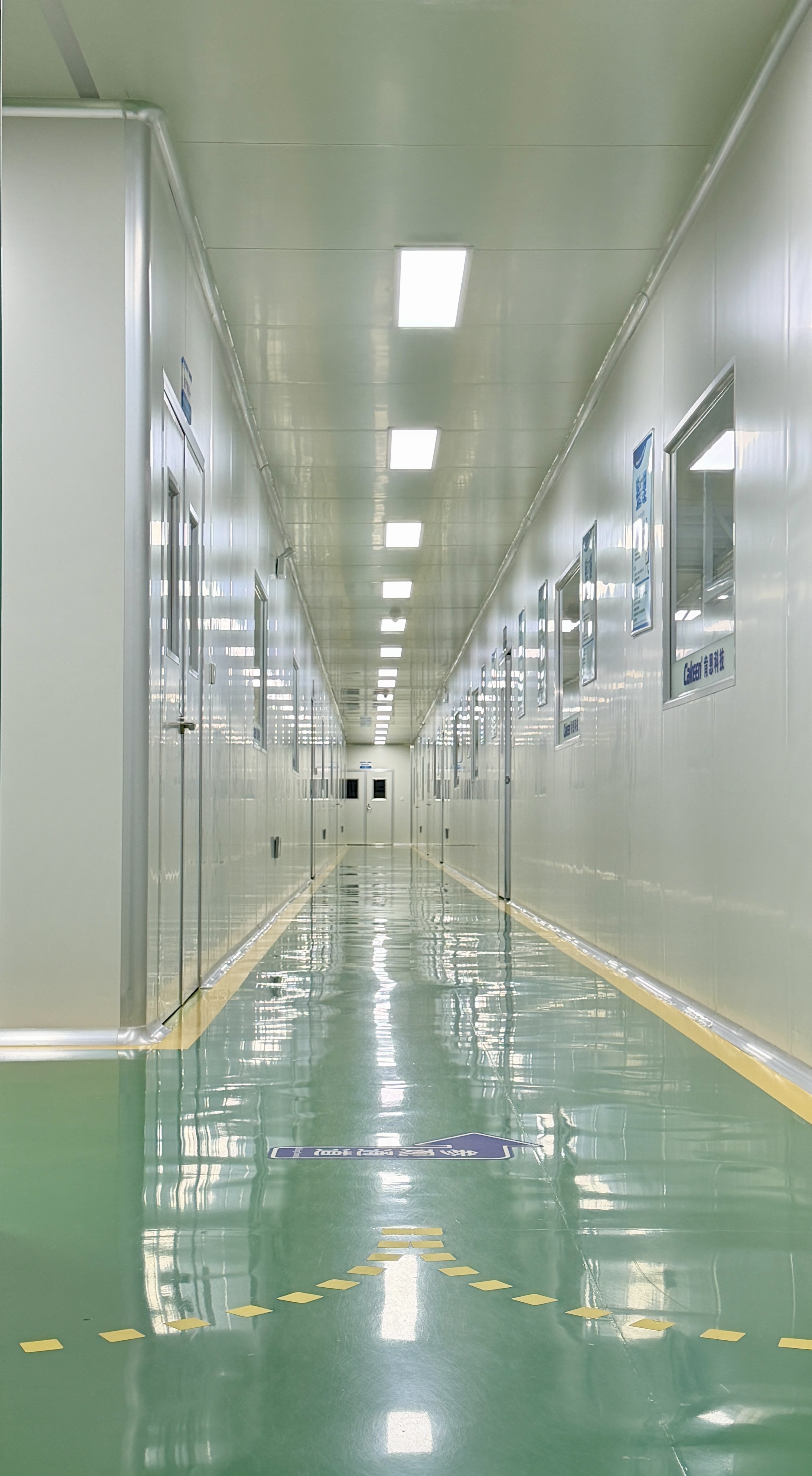
Cakeen engineers both sides of this decision: semiconductor industrial control electronics and electrical cabinet systems. (Factory-photos-2)
Architecture decides more than the controller model number. Embedded control puts the PID loop inside dedicated control electronics running purpose-built firmware. PLC-based control puts the same loop inside a control program written for a programmable logic controller that also runs machine sequence, interlocks and operator interface. Both routes can regulate a heating jacket, a heating mantle, a Hot N2 line or a multi-channel semiconductor thermal system. They differ in development path, scalability, customization depth, cost structure and the amount of engineering attention they demand after commissioning.
This article is a head-to-head decision guide, not a product page. Cakeen — formally Wuxi Cakeen Technology Co., Ltd., founded in 2011 and based in Huishan District, Wuxi, Jiangsu — develops semiconductor industrial control electronics, electrical cabinet systems and AI embedded systems, and delivers both embedded system software development and PLC control program design. Its comparison records against in-house design teams and against PLC-plus-communication-module builds are the evidence base used below.
Short answer before the detail: when temperature is the core function of the machine, dedicated PID control hardware with embedded firmware normally deploys faster and costs less. When temperature is one interlock among many inside a sequence that already runs on a PLC, extend the PLC program and keep the machine logic in one place. A large share of semiconductor and industrial projects end up hybrid — multi-channel PID controllers for the thermal layer, a gateway for data, and the PLC reserved for sequencing.
Problem Definition: Where the PID Loop Should Live
The decision is a placement decision. Two architectures solve the same control objective from different positions:
- Embedded control (temperature-centric): the PID algorithm runs in dedicated control electronics — a DIN-rail PID controller, a multi-channel controller or a purpose-built board — with firmware developed for that function. Parameters are set on the front panel, in a software tool, or through Modbus registers. No PLC is required for the loop.
- PLC-based control (sequence-centric): the PID algorithm is a function block inside the PLC program. Sensors and heater outputs are wired to PLC analogue and output modules, and the temperature loop shares a program, a scan cycle and a lifecycle with sequences, safety interlocks, alarms and the HMI.
The decision is often framed as an accuracy question, and that framing misleads. Precision comes from the PID algorithm, the sensor chain and the output resolution, not from where the algorithm is hosted. Cakeen's comparison record against generic ON/OFF controllers shows what the algorithm itself changes: PID auto-tuning holds ±0.1 °C where ON/OFF cycling fluctuates ±2–5 °C. Embedded controllers and PLC programs can both hold tight setpoints; the difference is everything built around the loop.
Three questions decide the architecture:
- Who owns the loop during commissioning and start-up — and how long does that take?
- What happens to cost, panel space and wiring when the channel count doubles?
- Which architecture leaves a supportable system in year five: spare parts, firmware or program updates, documented parameter sets, and remote diagnostics?
Answer those three honestly and the choice is usually obvious. Skip them and the cost surfaces later as extra communication modules, re-engineered wiring, certification rework, or a control layer nobody at the plant wants to maintain.
Industry Background: Why Architecture Has Become a Lifecycle Question
Temperature control is a growing but increasingly integration-heavy equipment category:
- SNS Insider values the global PID controller market at USD 1.60 billion in 2024 and projects USD 2.24 billion by 2032.
- Strategic Market Research expects the industrial temperature controller market to grow at a CAGR of 7.1% from 2024 to 2030, driven by Industry 4.0 adoption.
- Dataintelo places Asia-Pacific at a 38.2% revenue share of the temperature controller market in 2023, with China as a key manufacturing hub.
- Market Research Reports valued the semiconductor temperature control equipment market at USD 663 million in 2024.
- Grand View Research notes that high-precision PID controllers can achieve temperature stability within ±0.1 °C, a critical requirement for semiconductor lithography and etching.
- UL Solutions states that industrial control panels, including PID controllers, must comply with UL 508A for North American safety listing and IEC 60947 for international markets.
- Mordor Intelligence lists Honeywell, Omron, Siemens, Eurotherm (Schneider Electric) and ABB among the leading global PID and temperature controller manufacturers.
Published market-size estimates differ depending on whether system-level or component-level revenue is counted, so any single figure is best read as directional rather than exact.
Two structural effects follow. First, more temperature loops must now report data upward — to a historian, an MES layer or a plant dashboard — which turns the architecture question into a question about how many control layers a team wants to own and update. Second, the compliance obligation attaches to the panel rather than to the controller, so both architectures carry the same certification scope once the loop sits inside a cabinet.
Detailed Solution: How Cakeen Supports Both Architectures
Cakeen runs both development tracks inside one engineering organization, which is what makes a genuine head-to-head comparison possible instead of a preference for whichever product happens to be in the catalogue.
Embedded system software development
AI embedded systems and embedded software are a core product line. On the temperature side, the firmware path covers PID auto-tuning, protection logic and communication handling. The PID controller line — KE-H10, H6625, ASH, KE-48 and KE-2104 — features built-in sensor break detection and alarm output, along with SSR overcurrent protection, so fault handling sits inside the controller instead of relying on an external chain. Modbus RTU enables remote real-time monitoring and early warning through a CMS system.
PLC control program design and electrical cabinet systems
The second track is the cabinet-and-program route. Electrical drawings follow IEC/UL508A standards and pass multi-stage peer review; PLC programs undergo simulation testing before deployment. Cabinets use ABB, Siemens, Schneider, Mitsubishi and Omron genuine components with 100% incoming inspection and traceable component serial numbers. The comparison record against in-house design teams cites multi-PLC platform expertise and bilingual documentation for global deployment.
The data layer that makes hybrid control practical
Model K42CE-D is a dedicated CMS gateway combining 6× RS485 and 1× Ethernet in one compact DIN rail module. It was purpose-built for multi-device parameter setting and data forwarding, and it requires no PLC programming. It supports Modbus TCP/RTU, automatic reconnection after a network interruption, and local parameter retention that prevents data loss during a communication outage. For IT/OT separation it supports network segmentation between the RS485 fieldbus and the Ethernet layer, and Modbus communication can be restricted to authorized IP addresses.
Application devices for nitrogen and pipeline heating
HOT-GUN maintains pipeline temperature to prevent condensation. HOT N2 MFC provides closed-loop flow monitoring with an alarm for abnormal conditions. Stainless steel construction supports gas purity and corrosion resistance in these paths.
Manufacturing and compliance base
Cakeen was established in 2011, operates a 2,019 m² factory with 50 employees and a 20-engineer R&D team, and reports an annual output of 500,000 units with monthly production capacity of 40,000 units for its export markets (ES, SEA, EU and USA), which account for 40% of business. The company holds ISO9001, ISO14001, ISO45001, UL, SEMI S2, CE and ROHS certifications.
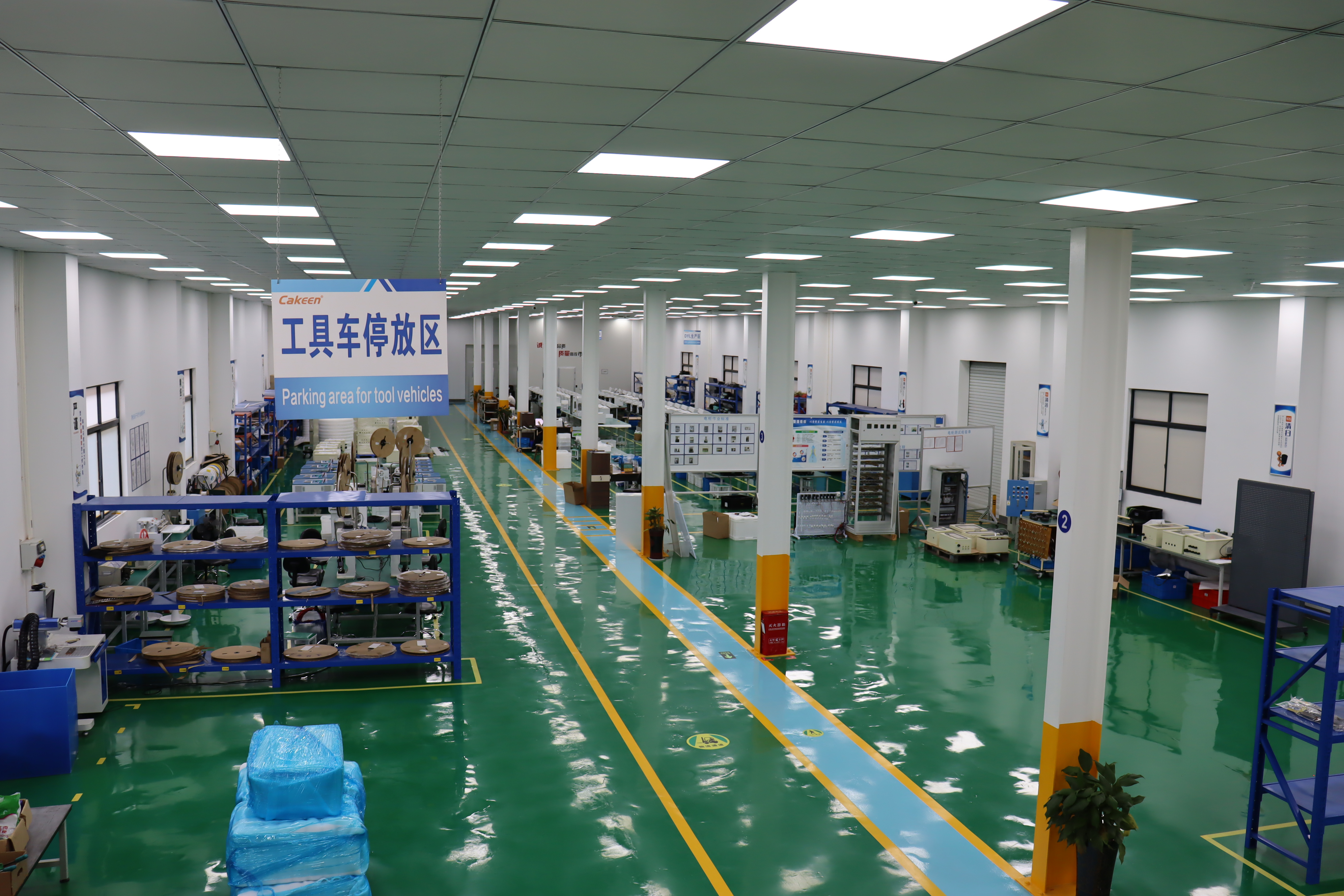
Both architecture tracks are built in the same facility, which shortens the path between firmware changes and cabinet wiring changes. (Factory-photos-4)
Continuity matters here because both architectures are long-lived. Cakeen's records include a business relationship with an integrator client that has been ongoing for over five years and a project that has been implemented for over four years — the kind of timeline over which a control architecture either becomes an asset or a maintenance burden.
Step-by-Step Breakdown: Six Decisions That Settle the Architecture
Step 1 — Count and classify the loops
List heating zones, sensor types, setpoint bands and ramp/soak requirements. A small number of temperature loops with data reporting favours dedicated PID control hardware; a large, already-automated machine may favour program integration, but only if the PLC is present for other reasons.
Step 2 — Map the existing control backbone
If a plant standard already exists — program conventions, spare parts, maintenance training — the architecture decision is partly a decision about what the maintenance team will support at 2 a.m. Multi-PLC platform expertise on the supplier side reduces the friction of working with whatever platform is installed.
Step 3 — Compare development paths in weeks, not feature lists
Cakeen's comparison record for outsourced design work reports a design cycle shortened by 30–50% against a newly formed in-house team, and a first-pass certification rate above 90%. On the data-acquisition side, the dedicated gateway route reduces hardware cost by 40–60% against a PLC plus communication modules, shortens deployment time by about 50%, and reduces RS485 communication latency by roughly 60% for device networks.
Step 4 — Stress-test scalability
Ask what happens when the channel count doubles or recipes change weekly. Modbus RTU supports remote diagnostics and batch parameter setting, which lowers the cost of every later change, while the gateway's 6× RS485 ports let several device groups share one module instead of adding PLC communication cards.
Step 5 — Fix the compliance and documentation scope early
Panel compliance is driven by UL 508A in North America and IEC 60947 internationally. Cakeen's certified cabinet build records a first-pass audit rate above 95% for international certifications, and bilingual documentation (DWG, PDF and BOM packages) reduces end-user acceptance time by about 40%. Decide document language and format at quotation stage rather than at factory acceptance testing.
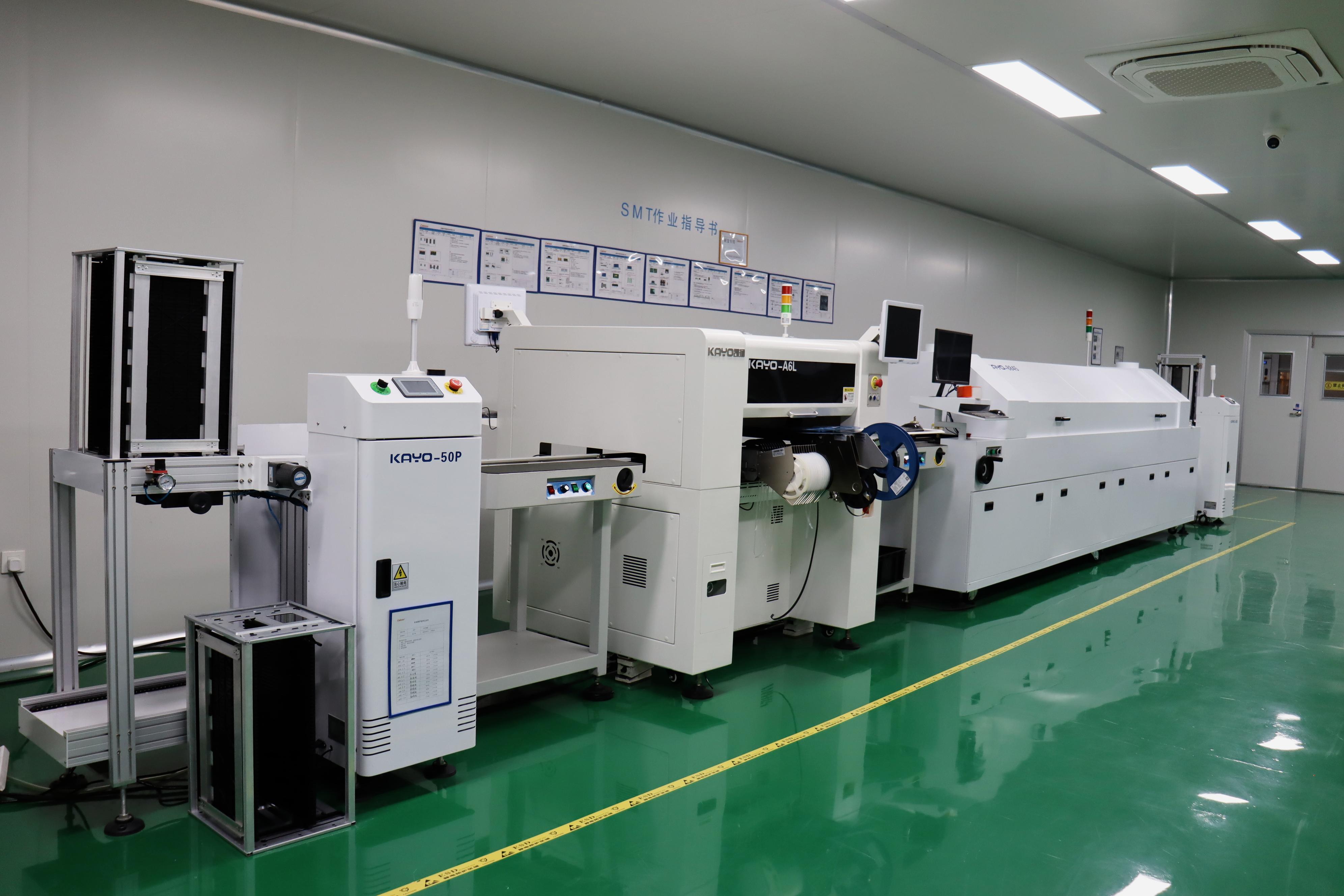
Cabinet assembly and control electronics production feed both architecture tracks: embedded PID hardware and PLC-based panels. (Factory-photos-1)
Step 6 — Plan the lifecycle before the purchase order
Choose the architecture you can still service in year five. Embedded firmware is upgradeable; the gateway design has fewer components and therefore fewer failure points; remote diagnostics over Modbus and Ethernet allow parameter changes without an on-site visit. Branded cabinet components have global service networks, complete bilingual documentation ships with every project, and extended warranty and maintenance agreements are available where continuity risk needs to be contractually covered.
Use Cases: Five Temperature Projects and the Architecture That Fits
1. Heating jacket and heating mantle control in laboratories and pilot lines
One to three loops, a tight panel footprint and a data log. Embedded PID control is the natural fit: built-in SSR output saves roughly 30% of panel space and cuts wiring by about 40% compared with external SSR modules and separate communication wiring, while self-tuning reduces commissioning time by around 50%. Total system cost falls 15–25% against generic ON/OFF control because external relays disappear from the bill of materials.
2. Hot N2 controller for semiconductor nitrogen line heating
Pipeline heating plus flow integrity. HOT-GUN maintains pipeline temperature to prevent condensation; HOT N2 MFC provides closed-loop flow monitoring with an alarm for abnormal conditions; embedded controllers contribute sensor break detection and alarm output. Network segmentation keeps the RS485 fieldbus separate from the Ethernet layer, which matters when the line connects to plant IT.
3. Multi-channel PID control for semiconductor thermal processing
When several zones must hold tight stability and report data, multi-channel PID controllers plus a K42CE-D gateway (6× RS485 and 1× Ethernet) frequently replace PLC communication modules altogether: hardware cost is reduced by 40–60% and no PLC programming is required for parameter setting and data forwarding. High-precision PID controllers can reach ±0.1 °C stability, which is the level semiconductor lithography and etching work demands.
4. Large automated lines where temperature is one interlock among many
Here the PLC-based program wins on maintainability: the machine sequence stays where technicians expect it, and the cabinet is built to IEC/UL508A with genuine branded components. The thermal layer can still be offloaded to embedded PID controllers reporting over Modbus where the platform standard allows it — a hybrid that keeps the sequence logic intact while simplifying the loop hardware.
5. Retrofit and no-PLC data acquisition projects
When the goal is data acquisition rather than sequence control, adding a PLC is often the most expensive way to solve the problem. The gateway route avoids it: 12–24 VDC power consumption, a compact form factor that reduces cabinet cooling requirements, plug-and-play configuration instead of program development, and expandability with K15DT-D I/O modules at low incremental cost.
Comparison Table: Embedded Control vs PLC-Based Control
The table below summarises the two architectures across the dimensions that decide a temperature project. Evidence entries refer to Cakeen comparison records, Cakeen's stated capabilities, or the third-party sources named above.
| Decision dimension | Embedded control | PLC-based control program | Recorded evidence |
|---|---|---|---|
| Where the PID loop runs | Dedicated control electronics with purpose-built firmware | Function block inside the PLC program, sharing the scan cycle | Architecture definition |
| Development path | Embedded software development (AI embedded systems line) | PLC control program design with multi-PLC platform expertise | Design cycle shortened 30–50% versus a new in-house team |
| Data acquisition cost | Gateway with 6× RS485 + 1× Ethernet, no PLC programming | PLC plus communication modules and program engineering | Hardware cost reduced 40–60%; deployment time reduced 50%; RS485 latency about 60% lower |
| Precision driver | PID algorithm, sensor chain, output resolution | Same variables — the host platform is not the deciding factor | PID auto-tuning ±0.1 °C versus ON/OFF ±2–5 °C; high-precision PID reaches ±0.1 °C (Grand View Research) |
| Panel space and wiring | Built-in SSR output; about 30% panel space saved | External SSR or relay modules and additional wiring | Wiring reduced about 40%; total system cost 15–25% lower than ON/OFF control |
| Compliance baseline | UL 508A / IEC 60947 applies to the panel | Identical obligation | UL Solutions; first-pass audit rate above 95%; first-pass certification rate above 90% |
| Best fit | Temperature-centric machines with one to dozens of loops and reporting needs | Temperature as one interlock inside a larger automated sequence | Project scope and loop count |
| Lifecycle behaviour | Upgradeable firmware, fewer components, remote diagnostics | Program changes follow the PLC platform lifecycle | Integrator relationship ongoing over five years; project implemented over four years |
FAQ
Do embedded and PLC-based temperature systems carry the same certification scope?
The baseline is identical, because panel compliance attaches to the cabinet rather than to the control philosophy. UL Solutions states that industrial control panels, including PID controllers, must comply with UL 508A for North American safety listing and IEC 60947 for international markets. Cakeen electrical drawings follow IEC/UL508A standards with multi-stage peer review, and the company holds ISO9001, ISO14001, ISO45001, UL, SEMI S2, CE and ROHS certifications. What changes between the two architectures is the bill of materials, the panel space, and the number of communication modules required to reach the same data outcome.
Can one supplier deliver both embedded firmware and PLC program design?
Cakeen does both. Its product scope covers semiconductor industrial control electronics, electrical cabinet systems and AI embedded systems, supported by a 20-engineer R&D team. On the embedded side, the PID controller line — KE-H10, H6625, ASH, KE-48 and KE-2104 — features built-in sensor break detection, alarm output and SSR overcurrent protection, with Modbus RTU for remote monitoring. On the PLC side, the company records multi-PLC platform expertise and simulation testing of programs before deployment. Model K42CE-D adds the data layer with 6× RS485 plus 1× Ethernet in a single DIN rail module.
Which architecture costs less to build and to own?
Hardware cost is not the whole answer, but it is measurable. A dedicated CMS gateway with 6× RS485 and Ethernet reduces hardware cost by 40–60% compared with a PLC plus communication modules and shortens deployment time by about 50%. PID control versus generic ON/OFF control reduces total system cost by 15–25% because external SSR modules and part of the wiring disappear, and self-tuning cuts commissioning time by around 50%. Outsourcing design work avoids the overhead of maintaining a specialized in-house team and removes EDA/CAD licence investment. Certified cabinets cost 10–20% more than uncertified alternatives, but that premium removes rework and certification-failure risk. Recorded purchasing terms for project orders include MOQ 500 units for the standard configuration, with an alternate configuration recorded at MOQ 5, delivery terms FOB, CIF or EXW, 100% pre-shipment test as the acceptance criterion, and payment terms recorded as 30.
How can a buyer validate the architecture before committing to a full build?
Validation usually starts with documentation and a functional sample rather than a finished cabinet. Cakeen deliverables include complete documentation packages (DWG, PDF and BOM) so the customer can verify the design, and 100% pre-shipment test is the recorded acceptance criterion for orders. Because self-tuning PID reduces commissioning time by about 50%, a bench test of the controller and sensor chain is a practical first step before cabinet wiring is frozen. Sample units and evaluation builds can be requested through Cakeen's contact channel at jwy@wxkeen.com.
What do lead time and long-term support look like once the architecture is fixed?
Cakeen records a design-to-delivery cycle of 2–4 weeks for cabinets, and the gateway architecture shortens deployment time by about 50% compared with a PLC plus communication modules. Long-term support is where the two architectures diverge most visibly: embedded firmware is upgradeable, the gateway design has fewer components and fewer failure points, and remote diagnostics over Modbus and Ethernet allow batch parameter setting without an on-site visit. Complete bilingual (Chinese and English) documentation ships with every project, branded cabinet components have global service networks, and extended warranty and maintenance agreements are available. Continuity is documented: a business relationship with an integrator client ongoing for over five years, and a project implemented for over four years. To scope a project, send the loop count, sensor types, setpoint range, heater power, host controller brand and required panel standard, then request a quote through www.wxkeen.com or jwy@wxkeen.com.
Conclusion: Choose the Architecture You Can Still Support in Year Five
Embedded control and PLC-based control are not competing quality tiers. They are two placement strategies for the same PID function, and the right choice is decided by loop count, the existing control backbone, development time, data requirements, compliance scope and — over the life of the equipment — which control layer the plant is willing to maintain.
Cakeen's comparison records point to a practical rule: for temperature-centric machines, embedded PID control hardware plus firmware reduces hardware cost, panel space and wiring, and deploys faster; for sequence-centric machines, extending the PLC program keeps machine logic in one place, with a gateway handling data forwarding and multi-device parameter setting. Because Cakeen develops semiconductor industrial control electronics, electrical cabinet systems and AI embedded systems under one roof, the architecture can be re-balanced mid-project rather than restarted.
To move from decision to execution, prepare this short specification and send it to Cakeen:
- Loop count, sensor types and setpoint ranges
- Heater power and output type (SSR, analogue or relay)
- Existing host controller brand and network protocol
- Data destination (historian, MES, dashboard) and required protocols
- Target panel standard (UL 508A, IEC 60947) and required certifications
- Required documentation languages and spare-parts horizon
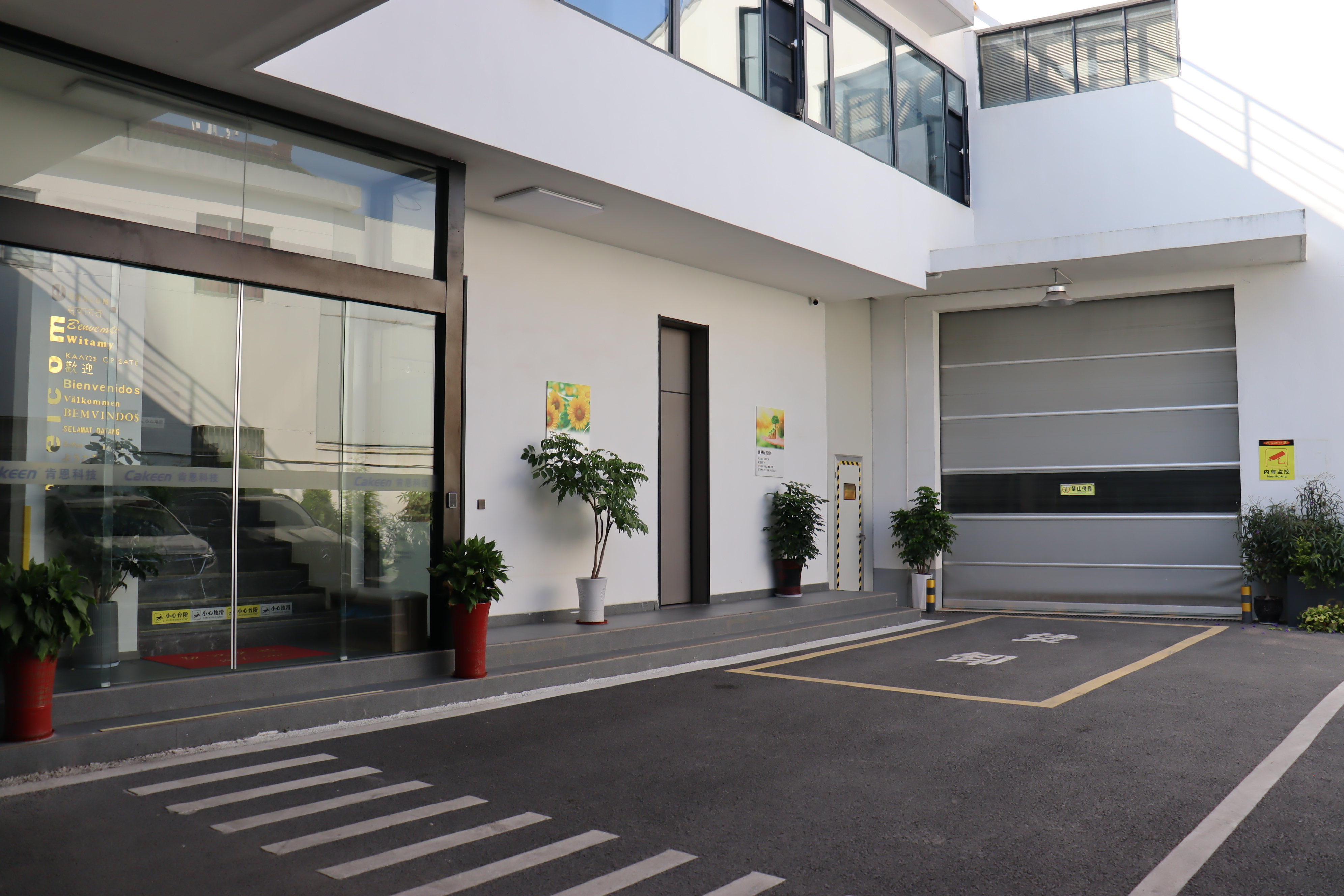
From architecture decision to cabinet delivery: Cakeen builds embedded and PLC-based temperature control for semiconductor and industrial OEM projects. (Factory-photos-5)
Cakeen — Wuxi Cakeen Technology Co., Ltd. — supports sample requests, project quotations and OEM or distributor conversations covering PID temperature controllers, multi-channel controllers, Hot N2 control and electrical cabinet systems. Contact: Wendy, jwy@wxkeen.com, tel +86-0510-85161878 / +86-18921139517, WhatsApp +86 18921139517; website wxkeen.com. Delivery terms are FOB, CIF or EXW, and every order ships against 100% pre-shipment testing.
Have Questions or Need More Details?
Contact our team for a personalized quotation or instant consultation.
Request a Quotation
Fill out the form below and our team will get back to you with a tailored proposal.
WhatsApp Direct Chat
Prefer to chat in real-time? Message us on WhatsApp for instant assistance & quick answers.
- Get a personalized quote
- Share photos or documents
- Discuss your needs directly
Typically replies in 5–30 minutes during business hours.