Top 7 PID Temperature Controller Features That Matter for Industrial Integration
Top 7 PID Temperature Controller Features That Matter for Industrial Integration
Direct answer: ranked by the cost of discovering a gap after the control cabinet has been built — not by datasheet appeal — the seven PID temperature controller features that matter most for industrial integration are: #7 mounting and form factor, #6 sensor input coverage and fault detection, #5 channel density and I/O expansion, #4 output architecture, #3 control accuracy and long-term stability, #2 communication and protocol support, and #1 certification, documentation, and traceability readiness. Feature #1 ranks first because it is a market gate: without it, nothing ships. Feature #7 ranks last because it is almost always solvable mechanically — yet it still has to be settled in the drawing before the panel is built.
Integration failures in temperature control rarely come from the numbers buyers compare first. They come from interfaces: a DIN rail module that does not clear the depth of an existing cabinet, a sensor input that cannot read the thermocouple already mounted on the tool, an output stage that forces a solid-state relay into an already crowded enclosure, a protocol the plant network will not accept, or a documentation package an auditor rejects. Each of those failures is mechanical, electrical, digital, or documentary — and each is inexpensive to prevent at specification stage and expensive to correct on site.
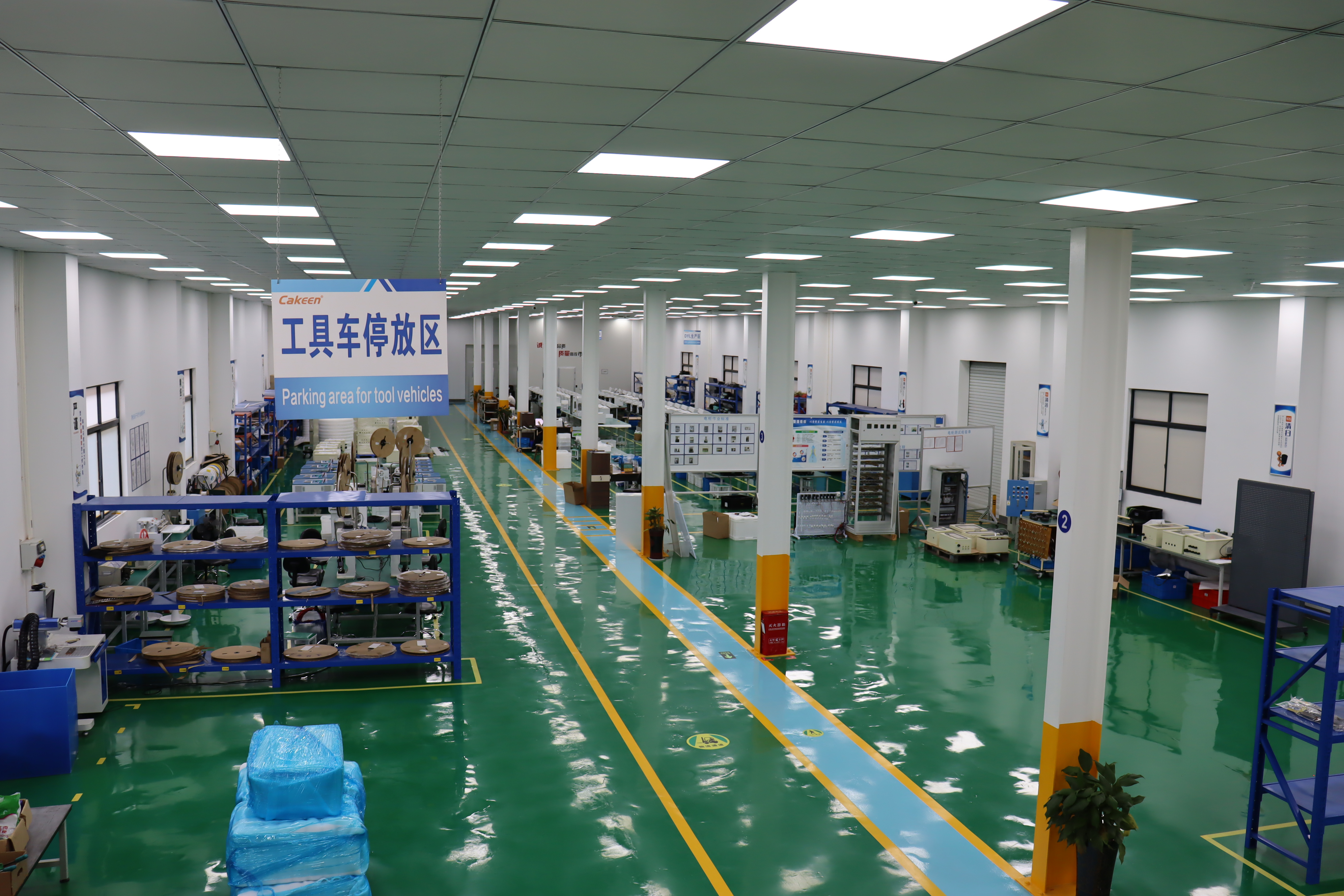
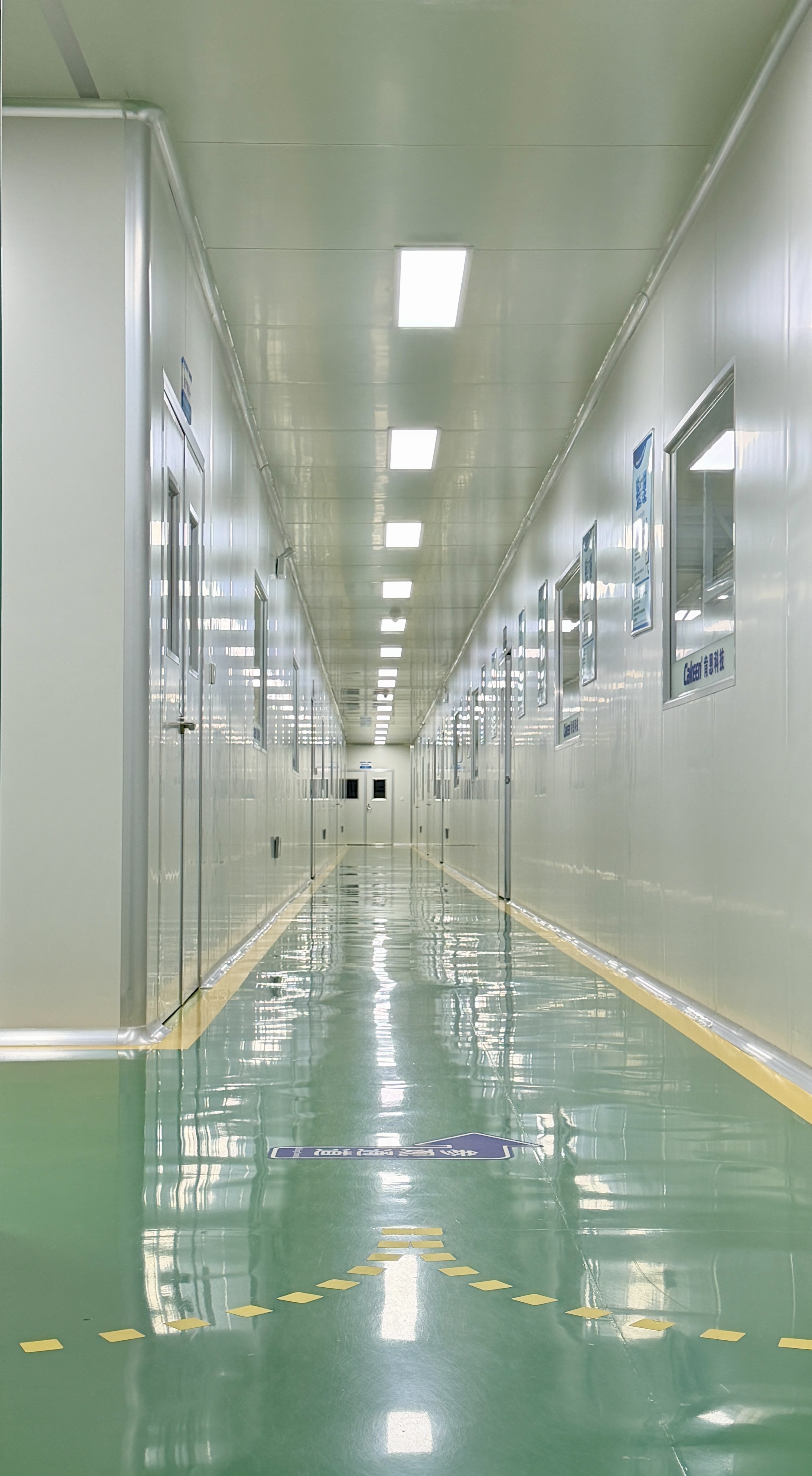
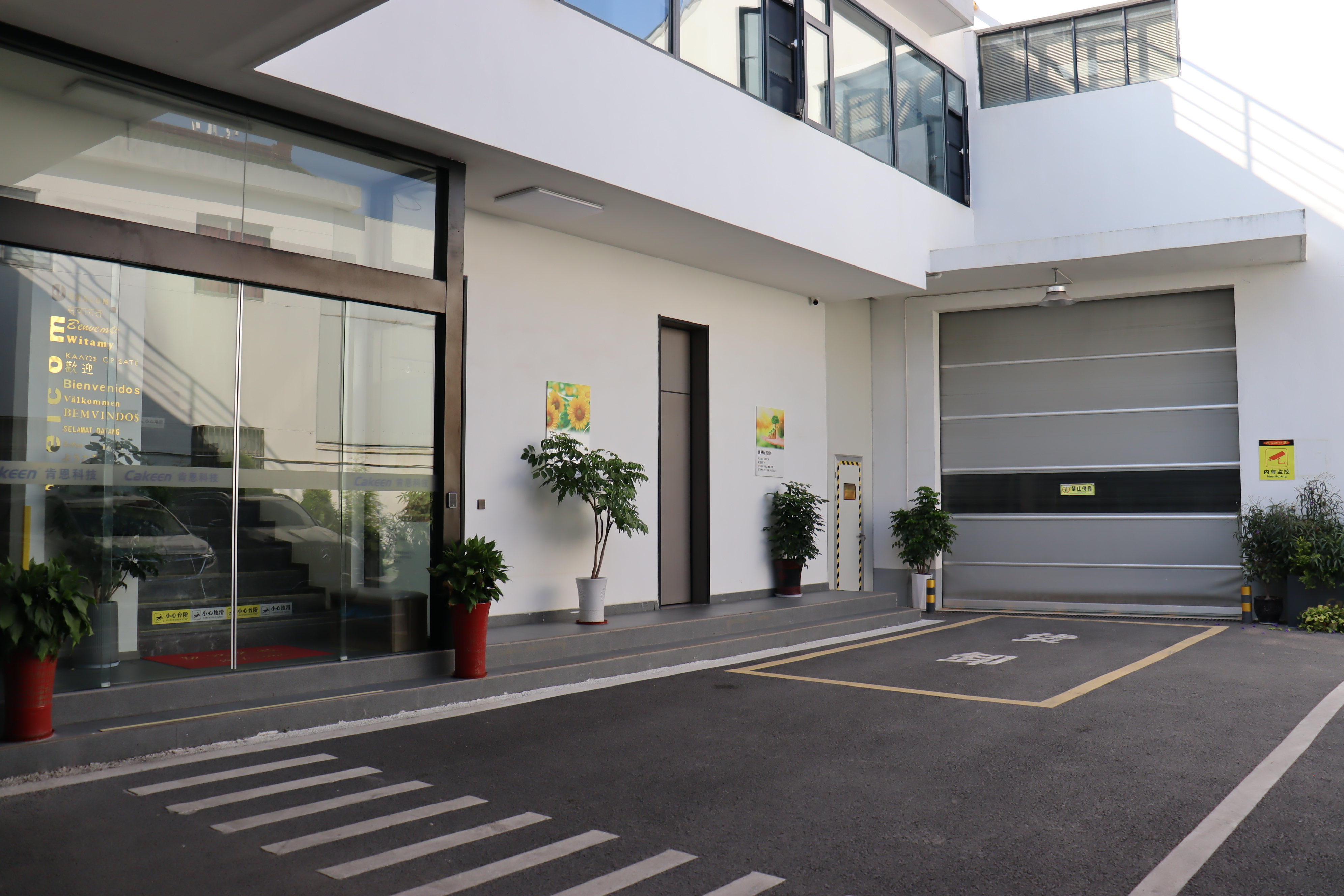
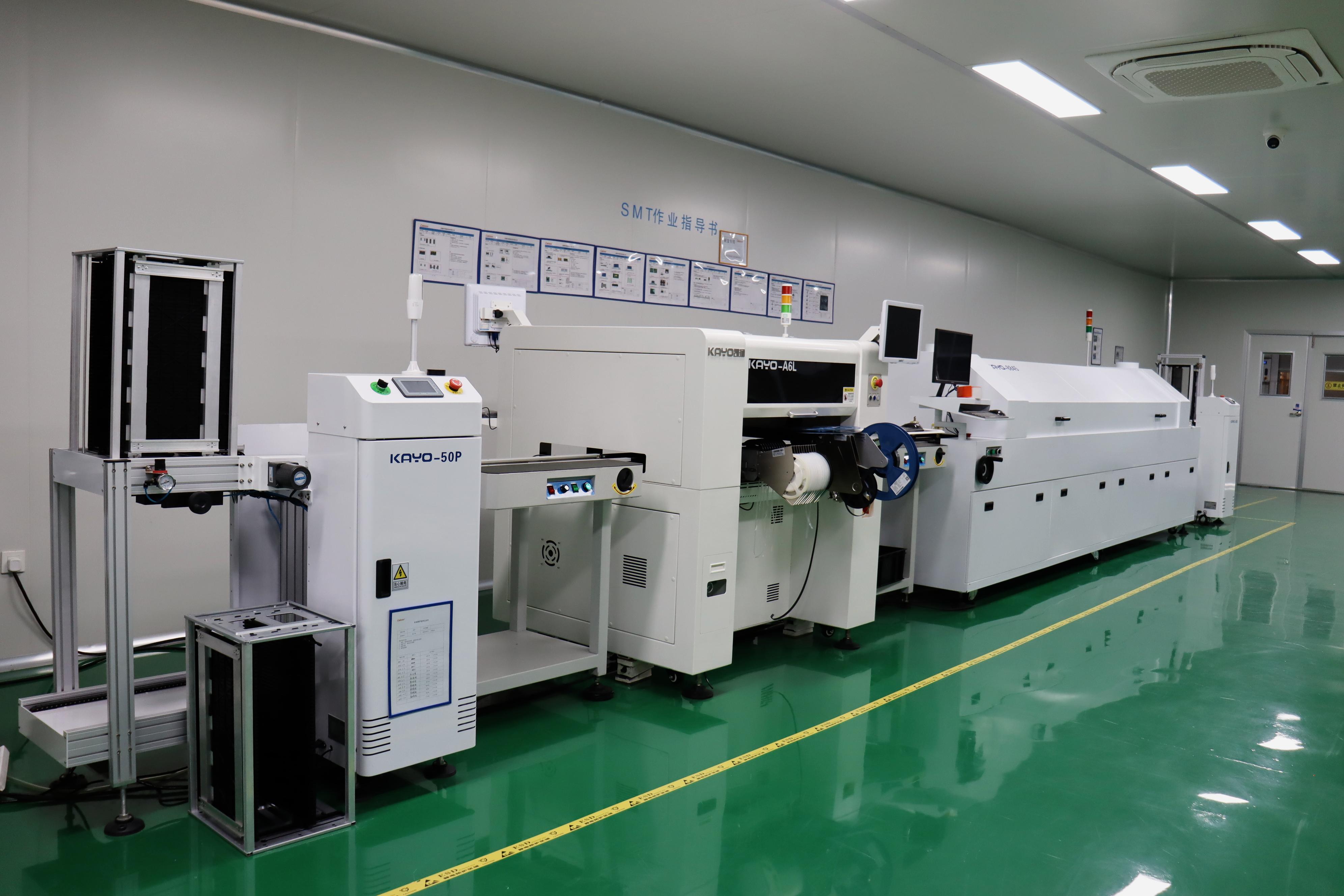
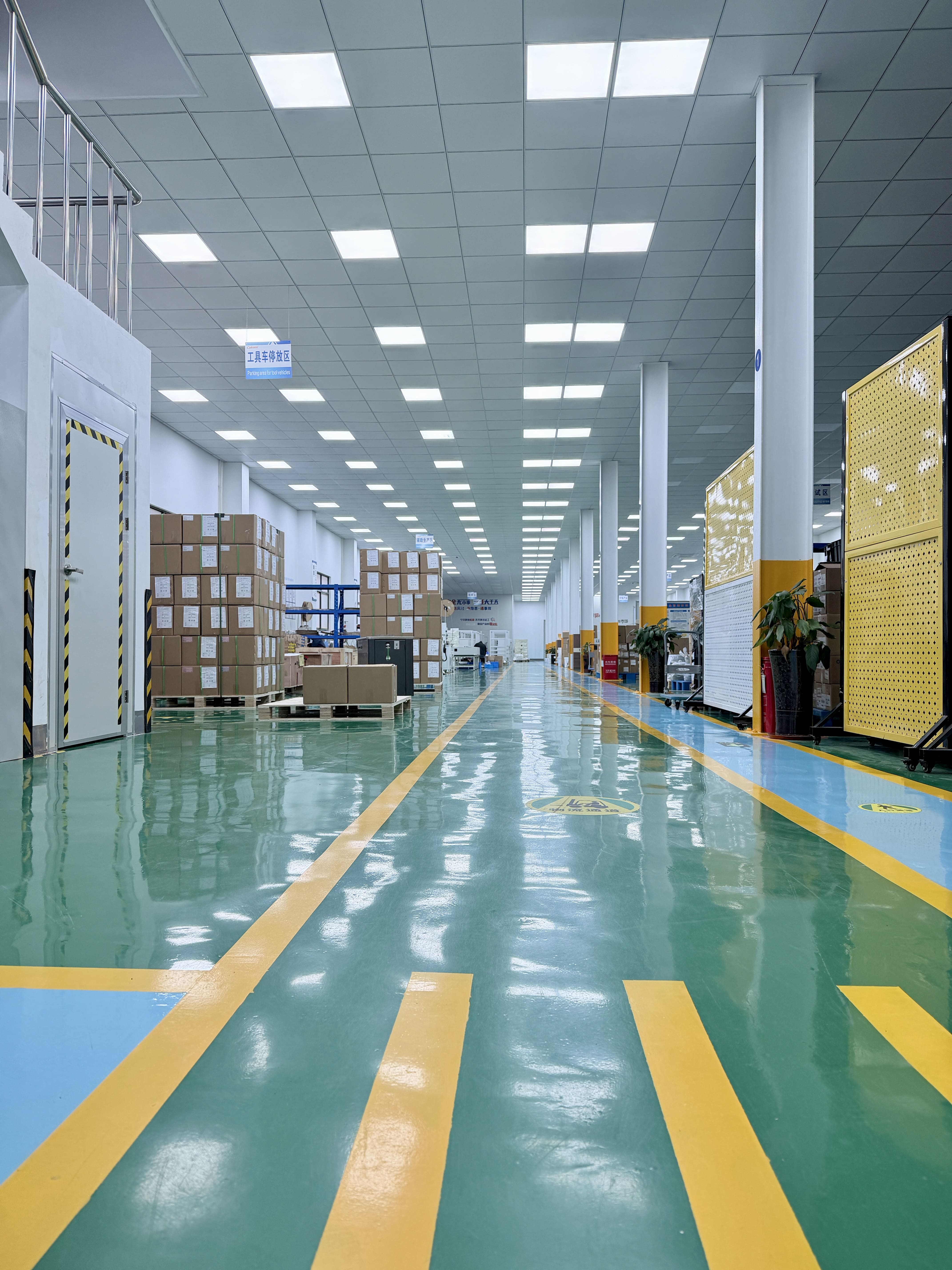
The evidence base for this ranking is the product and project documentation of Wuxi Cakeen Technology Co., Ltd. (brand name Cakeen), a manufacturer founded in 2011 and headquartered in Huishan District, Wuxi, Jiangsu Province, China. Cakeen develops semiconductor industrial control electronics, electrical cabinet systems, and AI embedded systems; it operates a 2,019 m² facility with 50 employees and a 20-engineer R&D team, exports to Spain, Southeast Asia, the EU and the USA, and holds ISO9001, ISO14001, ISO45001, UL, SEMI S2, CE and ROHS certifications. Its PID controllers, CMS communication module and I/O expansion modules are used below as concrete integration examples rather than promotional claims.
Problem Definition: Where PID Controller Integration Actually Breaks
Most PID temperature controller comparisons start with the same three numbers: setpoint resolution, sampling rate, and unit price. In real integration projects, those numbers rarely cause the schedule to slip. What causes slips is an interface that the buyer did not verify before the panel was released for build.
Four interface layers account for most integration surprises:
- Mechanical: DIN rail versus panel mount, module depth, door clearance, and whether the enclosure rating (IP54/IP65 in Cakeen cabinet designs) can still be closed after the controller and its wiring are installed.
- Electrical: whether the output stage drives the load directly or needs an external solid-state relay, how alarm and watchdog outputs are wired, and how much panel space and wiring the chosen architecture consumes.
- Digital: whether the controller can join the plant network (RS485 fieldbus, Ethernet, Modbus RTU/TCP), how addresses and parameters are managed, and what happens to data when communication drops.
- Documentary: drawings, BOM, test records, bilingual documentation, and the certification evidence an end user or auditor will demand before acceptance.
This produces two distinct cost centres. The first is correction cost — what it takes to fix a feature gap after the cabinet is wired, labelled, and possibly shipped. The second is lifetime cost — what the feature does to commissioning time, energy consumption, spare parts, maintenance visits, and audit cycles over the equipment's service life. The ranking below weights correction cost first, because it is the one cost that cannot be recovered through better operation.
Scope note: feature importance is context-dependent. A semiconductor lithography or etching loop tightens the accuracy requirement, a retrofit into a live cabinet raises the weight of form factor, and an export project raises the weight of certification. The override rules for these cases are stated in the ranking method section below.
Industry Background: Why Feature-Level Decisions Now Carry More Weight
Temperature control has moved from a panel-mounted instrument decision to a system decision. The global PID controller market was valued at USD 1.60 billion in 2024 and is projected to reach USD 2.24 billion by 2032, according to SNS Insider. Strategic Market Research estimates the industrial temperature controller market growing at a CAGR of 7.1% from 2024 to 2030, driven largely by Industry 4.0 adoption. Dataintelo reports that Asia-Pacific dominated the temperature controller market in 2023 with a 38.2% revenue share, with China as a key manufacturing hub.
The application mix explains part of that growth. SNS Insider reports that the oil & gas sector held the largest end-user share for PID controllers in 2024 at approximately 31.4%. Separately, the global semiconductor temperature control equipment market was valued at USD 663 million in 2024 (Market Research Reports) — a segment where precision is not negotiable, because high-precision PID controllers can hold stability within ±0.1°C, a requirement for semiconductor lithography and etching (Grand View Research).
The competitive field is well documented. Mordor Intelligence lists leading global manufacturers of PID and temperature controllers as Honeywell, Omron, Siemens, Eurotherm (Schneider Electric), and ABB. Buyers comparing a specialized PID temperature controller manufacturer against these brands are therefore not choosing between unknown and known technology; they are choosing between different integration economics, documentation depth, and channel support models.
Two regulatory realities shape the feature list as well. Industrial control panels, including PID controllers, must comply with UL 508A for North American safety listing and IEC 60947 for international markets (UL Solutions). This makes certification and panel-level documentation a procurement gate rather than a nice-to-have. Note also that published market-size estimates diverge between research houses depending on whether component-level or system-level revenue is counted, so the direction of growth is more reliable than any single base figure.
The Ranking Method: How These Seven Features Were Ordered
Each feature was scored on three dimensions and then ordered from lowest to highest total impact:
- Correction cost — the effort required to fix the gap once the cabinet is built, wired, and labelled.
- Commissioning impact — the effect on time-to-first-good-part, loop tuning, network bring-up, and acceptance testing.
- Lifetime cost impact — the effect on energy use, maintenance frequency, spares, and audit or certification cycles.
Two override rules apply when reading the ranking. First, if the process requires semiconductor-grade precision, accuracy (#3) moves up one or two positions, because the cost of a missed tolerance shows up in yield rather than in the panel. Second, if the project is a retrofit into an existing cabinet or a live production line, form factor (#7) moves up, because mechanical rework inside operating equipment carries production downtime.
The Top 7 PID Temperature Controller Features, Ranked
#7 Mounting and Form Factor
DIN rail and panel mount formats solve different problems. A DIN rail module supports retrofit into existing cabinets and standardizes spares; a panel mount unit suits front-of-panel visibility and legacy cutouts. The reason this feature ranks last is that a mounting mismatch is usually resolvable with brackets, an additional rail, or a revised drawing — it rarely blocks a project permanently. But it must be settled before fabrication, because cabinet depth, door clearance, and enclosure protection class (Cakeen cabinet designs use IP54/IP65 enclosures) are fixed once the panel is built. The ranking rationale: lowest correction cost, but a hard deadline inside the design phase.
#6 Sensor Input Coverage and Fault Detection
A controller that cannot accept the installed sensor is useless regardless of its control algorithm. Equally important is what the controller does when the sensor fails. Cakeen PID controllers — models KE-H10, H6625, ASH, KE-48, and KE-2104 — include built-in sensor break detection and alarm output, with SSR overcurrent protection and a watchdog timer as additional safeguards. This feature ranks #6 because failure detection surfaces during commissioning, not during market access, and because sensor break protection is a broadly expected baseline. Its ranking rationale: bounded correction cost, but a broken thermocouple without detection can scrap a batch or damage a heated line, which is why it still outranks pure mechanical concerns.
#5 Channel Density and I/O Expansion
Channel count determines whether a project uses one multi-channel PID controller or several single-loop units, and that decision cascades into cabinet size, terminal count, and the number of Modbus addresses to administer. Cakeen's expansion path matters here: the CMS gateway architecture is expandable with K15DT-D I/O modules at low incremental cost, so a buyer can start with the channels required today and add points later. This feature ranks #5 because expansion is genuinely incremental — but budgeting channels incorrectly changes the cabinet architecture, which is a mid-cost correction. Ranking rationale: architecture-level decision with a moderate correction cost and a moderate lifetime cost.
#4 Output Architecture: Built-in SSR, Alarm Output, and Watchdog
The output stage is where panel space and wiring are won or lost. Compared with generic temperature controllers, Cakeen's PID controllers provide a built-in SSR output that eliminates the external relay, saves roughly 30% of panel space, and reduces wiring by approximately 40% through integrated communication. Alarm output, watchdog timer, and SSR overcurrent protection belong in the same evaluation. This feature ranks #4 because output wiring is effectively frozen once the panel is assembled: adding an external SSR later means opening a live cabinet, re-terminating, and re-testing. Ranking rationale: high correction cost, direct effect on panel footprint and assembly labour.
#3 Control Accuracy and Long-Term Stability
Buyers intuitively rank accuracy first; the ranking here places it third because it is usually specified correctly before purchase, and because an over-specified accuracy class quietly raises cost without improving the process. The documented difference is significant where it counts: PID auto-tuning holds ±0.1°C accuracy and self-tuning reduces commissioning time by 50%. Accuracy moves up the ranking in semiconductor, laboratory, and high-value process heating loops.
#2 Communication and Protocol Support
Communication ranks second because it is the feature most often discovered too late. Once a network is validated and a control philosophy is frozen, adding a protocol path means re-opening the cabinet, re-addressing devices, and re-qualifying the data flow. Cakeen's CMS communication gateway (K42CE-D) packs 6x RS485 plus 1x Ethernet into a single compact DIN rail module, supports Modbus TCP and Modbus RTU, and requires no PLC programming. For RS485 device networks, communication latency is reduced by approximately 60%, hardware cost by 40–60% versus a PLC with communication modules, and deployment time by 50%. Continuity features matter as much as speed: the K42CE-D provides dual communication paths with automatic reconnection after network interruption, and local parameter retention prevents data loss during an outage. Remote diagnostics and batch parameter setting via Modbus RTU reduce on-site maintenance, and the architecture supports network segmentation between the RS485 fieldbus and the Ethernet layer, with Modbus communication restricted to authorized IP addresses as part of a customer's IT security policy. Ranking rationale: very high correction cost, direct influence on lifetime maintenance and data availability.
#1 Certification, Documentation, and Traceability Readiness
Certification ranks first because it is a gate, not a preference. If the delivered assembly cannot be listed, documented, and accepted in the target market, the other six features never get the chance to perform. The relevant stack combines management systems (ISO9001, ISO14001, ISO45001), product and application certifications (UL, SEMI S2, CE, ROHS), and the panel-level standards UL 508A for North America and IEC 60947 internationally. Documented outcomes in Cakeen's comparison data support the ranking: a first-pass audit rate above 95% for international certifications, a field failure rate below 0.5% against an industry average in the 2–5% range, and a design-to-delivery cycle of 2–4 weeks. Standardized documentation (DWG, PDF, BOM) enables spare-parts management, and bilingual documentation reduces cross-border support friction. Electrical cabinets use genuine ABB, Siemens, Schneider, Mitsubishi, and Omron components, subject to 100% incoming inspection with traceable component serial numbers — and quality control includes 100% testing of units. Certification-ready assemblies typically cost 10–20% more than uncertified alternatives, but that premium removes rework and certification-failure risk. Ranking rationale: highest correction cost, since late certification work delays shipment rather than merely complicating assembly.
Feature Ranking Summary Table
| Rank | Feature | Why it ranks here | Documented impact (Cakeen / verified sources) |
|---|---|---|---|
| #7 | Mounting and form factor | Usually solvable mechanically, but fixed in the drawing before panel build | DIN rail module supports retrofit; IP54/IP65 enclosure protection in cabinet designs |
| #6 | Sensor input and fault detection | Surfaces at commissioning; bounded but consequential damage | Sensor break detection and alarm output on KE-H10, H6625, ASH, KE-48, KE-2104; SSR overcurrent protection; watchdog timer |
| #5 | Channel density and I/O expansion | Architecture decision with an incremental expansion path | Expandable with K15DT-D I/O modules at low incremental cost |
| #4 | Output architecture | Wiring is frozen once the panel is assembled | Built-in SSR eliminates the external relay; approximately 30% panel space saved; approximately 40% wiring reduced |
| #3 | Accuracy and long-term stability | Usually specified correctly up front; rises in semiconductor and lab loops | PID auto-tuning at ±0.1°C versus ±2–5°C for ON/OFF; stability improved 20–50x; energy waste reduced 10–20%; ±0.1°C confirmed as a lithography/etching requirement (Grand View Research) |
| #2 | Communication and protocol support | Most expensive feature to retrofit into a validated network | 6x RS485 + 1x Ethernet in one DIN rail module; Modbus TCP/RTU; hardware cost reduced 40–60% versus PLC + communication modules; deployment time reduced 50%; RS485 latency reduced approximately 60%; automatic reconnection and local parameter retention |
| #1 | Certification, documentation, traceability | Market gate; highest late-stage remediation cost | ISO9001, ISO14001, ISO45001, UL, SEMI S2, CE, ROHS; UL 508A / IEC 60947 (UL Solutions); first-pass audit rate >95%; field failure rate <0.5% versus 2–5% industry average; design-to-delivery 2–4 weeks; 100% test quality control |
Step-by-Step Breakdown: Scoring These Features in a Real Procurement Sequence
The ranking only becomes useful when it is applied in the right order. The sequence below follows the way a control package actually gets specified.
- Define the process envelope. Fix the temperature range, the required stability, and the consequence of an excursion. Decision rule: if the process is semiconductor, laboratory, or high-value process heating, set the accuracy target at the precision class from the start. Red flag: an accuracy target chosen from a competitor's marketing page rather than from the process requirement.
- Fix the mechanical envelope. Decide DIN rail or panel mount and verify depth, clearance, and enclosure class. Decision rule: retrofits and standardized spares favour DIN rail modules. Red flag: a controller that fits the drawing but not the built cabinet.
- Count loops and I/O points. Decide channel density today and confirm the expansion path for tomorrow. Decision rule: choose an architecture that can be extended with I/O expansion modules rather than replaced. Red flag: a channel count that forces a cabinet redesign at the first capacity increase.
- Choose the output architecture. Confirm whether the controller drives the load directly through a built-in SSR or requires external switching, and confirm alarm and watchdog behaviour. Decision rule: count the panel space and wiring that external devices will consume before approving the layout. Red flag: alarm logic that exists on paper but is not wired to anything the operator sees.
- Design the communication path. Decide between a PLC-based acquisition architecture and a dedicated gateway, then lock the protocol. Decision rule: if the project needs multi-device parameter setting, data forwarding, and Modbus TCP/RTU without PLC programming, a dedicated CMS gateway such as the K42CE-D with 6x RS485 plus Ethernet is the shorter path — with roughly 40–60% lower hardware cost, 50% shorter deployment, and approximately 60% lower latency on RS485 device networks. Red flag: no plan for automatic reconnection or local parameter retention during a network outage.
- Confirm the compliance and documentation package. Match the certification set to the destination market and require the drawing, BOM, and test evidence that acceptance testing will demand. Decision rule: UL 508A for North America and IEC 60947 for international markets; bilingual documentation where the end user and the integrator operate in different languages. Red flag: certification that applies to a component but not to the delivered assembly.
- Lock in after-sales and spares. Confirm documentation delivery, remote diagnostic support, standard-component spare availability, and warranty options. Decision rule: standardized branded components and complete bilingual documentation shorten cross-border support cycles. Red flag: a support model that depends on a single person rather than on documentation and remote diagnostics through Modbus or Ethernet.
Use Cases: Where These Features Change the Outcome
Semiconductor Nitrogen Line Heating
Heated nitrogen lines combine two risks that map directly onto this ranking: condensation and leakage. In Cakeen's documented configuration, the HOT-GUN maintains pipeline temperature to prevent condensation, the HOT N2 mass flow controller provides closed-loop flow monitoring with alarm for abnormal conditions, and stainless steel construction preserves gas purity and corrosion resistance. Accuracy (#3) and fault detection (#6) carry the day-to-day load here, while certification readiness (#1) — including SEMI S2 alongside CE, UL, and ROHS — determines whether the assembly can be accepted in a semiconductor fab environment.
Heating Jacket and Heating Mantle Temperature Control
Heating jackets and heating mantles fall into the process heating and laboratory instrument category, where stability matters more than raw switching speed. The documented fit for PID control in these loops is precision industrial temperature control, where PID auto-tuning holds ±0.1°C against ±2–5°C fluctuation for basic ON/OFF control, and where the built-in SSR output saves roughly 30% of panel space and about 40% of wiring. For a laboratory or pilot-scale enclosure, form factor (#7) and output architecture (#4) are usually the two features that decide whether the build fits the available space.
Multi-Channel Networked Retrofit Without a PLC
Factory automation retrofits frequently need many devices parameterized and forwarded to a supervisory system, but not a full PLC platform. A dedicated CMS gateway with 6x RS485 plus Ethernet in one compact DIN rail module is purpose-built for multi-device parameter setting and data forwarding without PLC programming. The documented economics are a 40–60% lower hardware cost, 50% shorter deployment, and roughly 60% lower latency on RS485 device networks, with expandability through K15DT-D I/O modules. This is the scenario where feature #2 delivers its strongest return — and where a late protocol decision is most expensive.
Comparison Tables: PID versus ON/OFF, and Gateway versus PLC-Based Acquisition
The first comparison shows what the ranking features deliver at loop level; the second shows what they deliver at system level.
| Criterion | Generic ON/OFF controller | Cakeen PID temperature controller |
|---|---|---|
| Control behaviour | ON/OFF switching with ±2–5°C fluctuation | PID auto-tuning with ±0.1°C accuracy |
| Output stage | Requires external relay or SSR | Built-in SSR output |
| Communication | Typically none | RS485 / Modbus RTU for networked CMS integration |
| Panel space | Baseline | Approximately 30% saved (built-in SSR) |
| Wiring | Baseline | Approximately 40% reduced (integrated communication) |
| Total system cost | Lower unit price | Slightly higher unit cost, but total system cost reduced 15–25% |
| Commissioning | Manual tuning | Self-tuning PID reduces commissioning time by 50% |
| Energy | Overshoot cycling | 10–20% less energy waste versus ON/OFF cycling |
| Maintenance | On-site checks only | Modbus RTU remote diagnostics and batch parameter setting |
| Criterion | PLC-based acquisition (e.g., Siemens S7-1200 + communication modules) | Cakeen CMS gateway (K42CE-D) |
|---|---|---|
| Architecture | PLC plus separate communication modules | 6x RS485 + 1x Ethernet in one compact DIN rail module |
| Programming | PLC programming required | No PLC programming required |
| Hardware cost | Baseline | 40–60% lower |
| Deployment time | Baseline | 50% shorter |
| Communication latency (RS485 device networks) | Baseline | Approximately 60% lower |
| Expansion | PLC I/O modules | K15DT-D I/O modules at low incremental cost |
| Maintenance | PLC program maintenance | Plug-and-play configuration, firmware upgradeable, fewer components and failure points |
| Power and footprint | Baseline | 12–24 VDC, compact form factor reduces cabinet cooling requirements |
Frequently Asked Questions
Which certifications should a PID temperature controller manufacturer hold for EU and North American integration?
Two layers matter. At organization level, Cakeen holds ISO9001, ISO14001, and ISO45001, alongside product and application certifications including UL, SEMI S2, CE, and ROHS. At assembly level, industrial control panels including PID controllers must comply with UL 508A for North American safety listing and IEC 60947 for international markets, per UL Solutions. Buyers should verify that the certification applies to the delivered assembly, not only to an individual component, and should request the drawing, BOM, and test documentation that accompanies it.
Can a multi-channel PID controller system be integrated without a PLC?
Yes, when the acquisition layer is built as a gateway rather than a PLC program. Cakeen's CMS communication gateway (K42CE-D) combines 6x RS485 and 1x Ethernet in one compact DIN rail module and supports Modbus TCP and Modbus RTU, with no PLC programming required. Compared with a PLC plus communication modules, the documented result is 40–60% lower hardware cost, 50% shorter deployment, and approximately 60% lower communication latency on RS485 device networks, with expansion through K15DT-D I/O modules at low incremental cost.
How should buyers compare unit price against total system cost?
Compare the loop, not the box. A Cakeen PID controller has a slightly higher unit cost than a generic ON/OFF controller, but the total system cost is reduced by 15–25% because external SSR modules are eliminated and wiring is simplified. PID control also removes overshoot, cutting energy waste by 10–20% versus ON/OFF cycling. At panel level, certified cabinets run 10–20% above uncertified alternatives, but that premium removes rework and certification-failure risk; outsourcing specialized electrical design also avoids the fixed cost of maintaining an in-house team and the associated EDA/CAD license investment, and shortens the design cycle by 30–50%.
How can a buyer validate a controller and control package before committing to volume?
Validate the documentation and the electrical behaviour together, not the sample alone. Cakeen delivers complete bilingual (Chinese and English) documentation with every project, applies quality control that includes 100% testing of units, uses genuine ABB, Siemens, Schneider, Mitsubishi, and Omron components with traceable serial numbers subject to 100% incoming inspection, and provides remote diagnostic support via Modbus or Ethernet. A practical validation checklist covers sensor break detection and alarm output behaviour, SSR output performance, Modbus RTU batch parameter setting through the CMS system, and automatic reconnection plus local parameter retention during a simulated network outage. To arrange a sample, a quotation, or the documentation package for your application, contact Wendy at jwy@wxkeen.com or via WhatsApp at +86 18921139517, or visit www.wxkeen.com.
What determines lead time for an integrated PID temperature control package?
Lead time is driven mainly by design and documentation rather than assembly. Documented Cakeen figures put the design-to-delivery cycle for certified cabinet-level work at 2–4 weeks, with a first-pass audit rate above 95% for international certifications reducing the risk of late rework. Outsourcing specialized design shortens the design cycle by 30–50% compared with building a new in-house team, self-tuning PID reduces commissioning time by 50%, and plug-and-play gateway configuration cuts deployment time by half relative to PLC-based acquisition. Projects that leave certification scope or protocol definition open until after the panel is built are the ones that extend beyond this cycle.
Conclusion: Rank the Feature by What It Costs to Fix, Not by What It Shows
Feature rankings only help if they match where the money is lost. Mounting and form factor (#7) is mechanical and usually recoverable, which is why it sits at the bottom — but it is settled in the drawing, not on site. Sensor input coverage and fault detection (#6), channel density and I/O expansion (#5), and output architecture (#4) determine how the panel is built and how much it costs to change later. Accuracy and stability (#3) is the feature buyers ask about first and specify correctly most often. Communication and protocol support (#2) is the feature most frequently discovered too late, which is why Modbus TCP/RTU capability in a compact CMS gateway — 6x RS485 plus Ethernet in a single DIN rail module — changes both hardware cost and commissioning time. Certification, documentation, and traceability readiness (#1) ranks first because it is a market gate: without it, the other six features never reach the customer.
Used together, the ranking and the seven-step procurement sequence give procurement teams and system integrators a repeatable way to score a PID temperature controller supplier against integration reality rather than against a specification sheet. As an OEM and industrial temperature controller manufacturer, Cakeen supports that process with documented integration evidence: PID auto-tuning at ±0.1°C, built-in SSR output, RS485/Modbus RTU communication, the K42CE-D CMS gateway, K15DT-D I/O expansion, certified cabinet designs, and bilingual documentation delivered with every project.
Next step for integration projects. Send your process envelope — temperature range, required stability, channel count, cabinet format, and target market — and Cakeen will return a matching PID controller and communication configuration with the certification and documentation scope for that market.
Email: jwy@wxkeen.com | Tel: +86-0510-85161878 / +86-18921139517 | WhatsApp: +86 18921139517 | Website: www.wxkeen.com
Address: No.576 Shengan West Road, Qianqiao Street, Huishan District, Wuxi City, Jiangsu Province, China.
Have Questions or Need More Details?
Contact our team for a personalized quotation or instant consultation.
Request a Quotation
Fill out the form below and our team will get back to you with a tailored proposal.
WhatsApp Direct Chat
Prefer to chat in real-time? Message us on WhatsApp for instant assistance & quick answers.
- Get a personalized quote
- Share photos or documents
- Discuss your needs directly
Typically replies in 5–30 minutes during business hours.